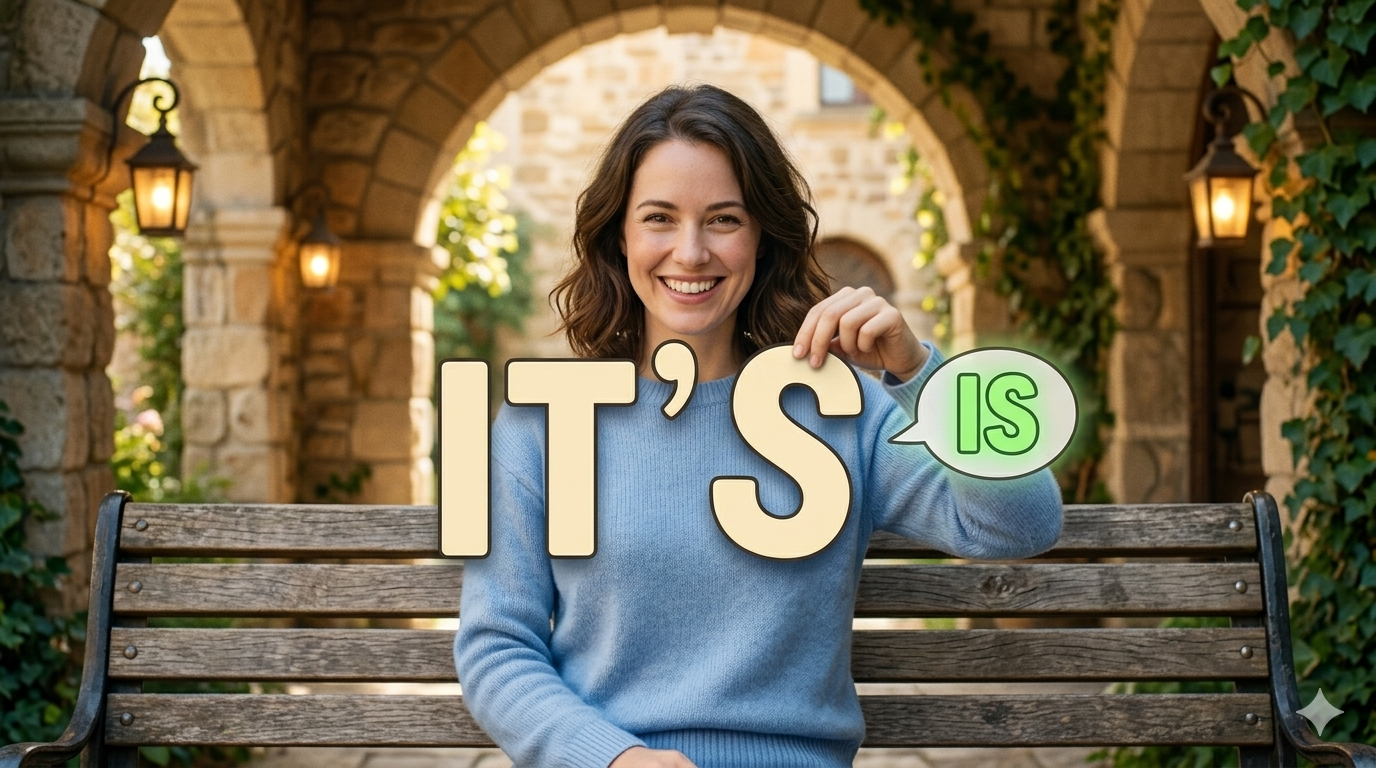
Learn the difference between its vs it’s with simple rules and examples. Avoid common English grammar mistakes and improve your writing skills easily.
Many English learners and even native speakers often confuse its and it’s in writing. These two words look almost identical, but they have completely different meanings and grammar rules. Understanding the difference between its vs it’s will help you avoid one of the most common grammar mistakes in English.
If you want to improve your writing and sound more professional, learning when to use its and it’s correctly is very important. In this guide, we will explain the rule in a simple way with easy examples.
What Does “It’s” Mean?
The word it’s is a contraction. A contraction means two words are shortened and combined into one.
It’s = It is
or
It’s = It has
Whenever you can replace it’s with “it is” or “it has”, then it’s is the correct word.
Examples of “It’s”
- It’s raining outside.
- It’s a beautiful day.
- It’s been a long time since we met.
- It’s important to learn grammar rules.
Example:
It’s raining
= It is raining
If the sentence still makes sense, then it’s is correct.
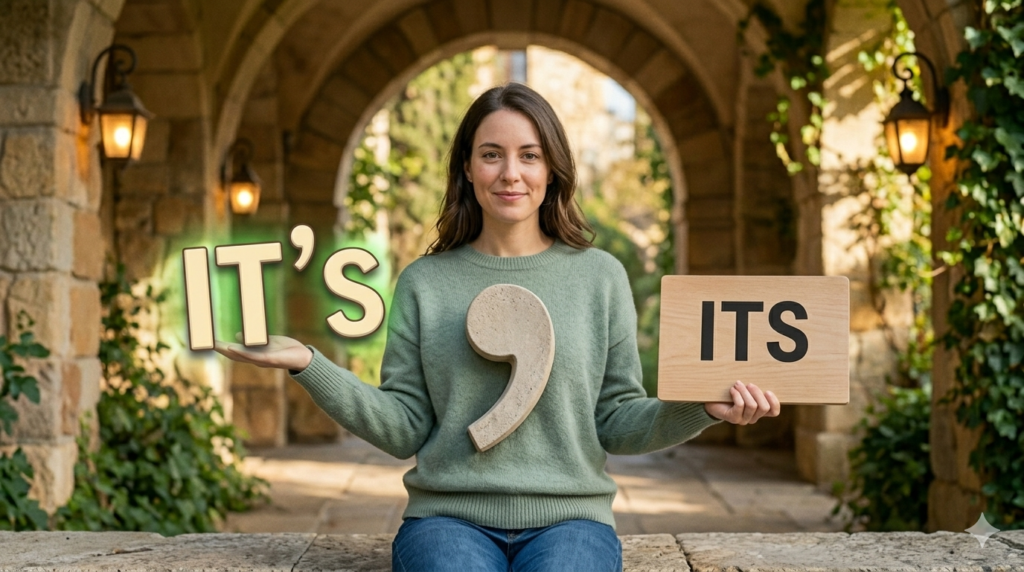
What Does “Its” Mean?
The word its is a possessive adjective. It shows that something belongs to it.
In simple words, its indicates ownership. Its vs It’s
Examples of “Its”
- The dog wagged its tail.
- The company changed its policy.
- The car lost its wheel.
- The tree dropped its leaves.
In each example, its shows that something belongs to something else.
For example:
The dog wagged its tail
The tail belongs to the dog.
Key Difference Between Its and It’s
| Word | Meaning | Example |
|---|---|---|
| It’s | Short form of “it is” or “it has” | It’s raining today |
| Its | Shows possession | The cat cleaned its paws |
A simple way to remember this rule:
- It’s → It is / It has
- Its → Shows ownership
Common Mistakes People Make
Because these words look so similar, many people accidentally use the wrong one. Its vs It’s
Incorrect Example
❌ The dog wagged it’s tail.
Correct Example
✅ The dog wagged its tail.
Another example:
❌ Its raining today.
✅ It’s raining today.
Even experienced writers sometimes make this mistake when typing quickly.
Simple Trick to Remember the Rule Its vs It’s
Here is a quick trick to check if it’s is correct.
Replace the word with “it is.”
If the sentence still makes sense, use it’s.
Example:
It’s a great day
→ It is a great day ✔
But if it doesn’t make sense, use its.
Example:
The dog wagged its tail
→ The dog wagged it is tail ❌
So the correct word is its.

Why This Grammar Rule Matters
Learning the difference between its and it’s improves your writing quality. Correct grammar helps you: Its vs It’s
- Write more professionally
- Avoid common mistakes
- Improve communication
- Build credibility in your writing
Even small grammar improvements can make a big difference in how readers understand your content.
FAQ Section
Frequently Asked Questions
What is the difference between its and it’s?
Its shows possession, while it’s is the short form of it is or it has.
When should I use it’s?
Use it’s when you can replace it with it is or it has.
Is “its” a contraction?
No. Its is a possessive adjective, not a contraction. Its vs It’s
Why do people confuse its and it’s?
People confuse them because they look very similar in spelling but have different meanings.
Final Tip for Using Its and It’s Correctly
Understanding the difference between its and it’s may seem small, but it can greatly improve the quality of your writing. Many grammar mistakes happen because writers type quickly and forget to check contractions and possessive forms. A good habit is to quickly test the sentence by replacing it’s with “it is” or “it has.” If the sentence still makes sense, then it’s is correct. If it doesn’t, you should use its instead. By practicing this simple trick while writing emails, blog posts, or messages, you can avoid one of the most common English grammar mistakes and write more confidently. Its vs It’s
Related Posts
You may also like:
- Who vs Whom – The Easy Grammar Rule Explained
- Lay vs Lie – Why This Grammar Rule Confuses Writers
- Farther vs Further – Understanding the Difference
- Fewer vs Less – A Common Grammar Mistake
- To vs Too vs Two – What Is the Correct Difference?

William Henry is a writer for Grammar Max, a blog that focuses on synonyms and phrases. He loves exploring the quirks of the English language and enjoys helping readers improve their vocabulary. William’s articles are easy to read, fun, and full of useful tips for anyone looking to better understand and use English. Whether you’re a student, a professional, or just someone interested in language, William’s writing on Grammar Max makes learning about words and their meanings simple and enjoyable.